
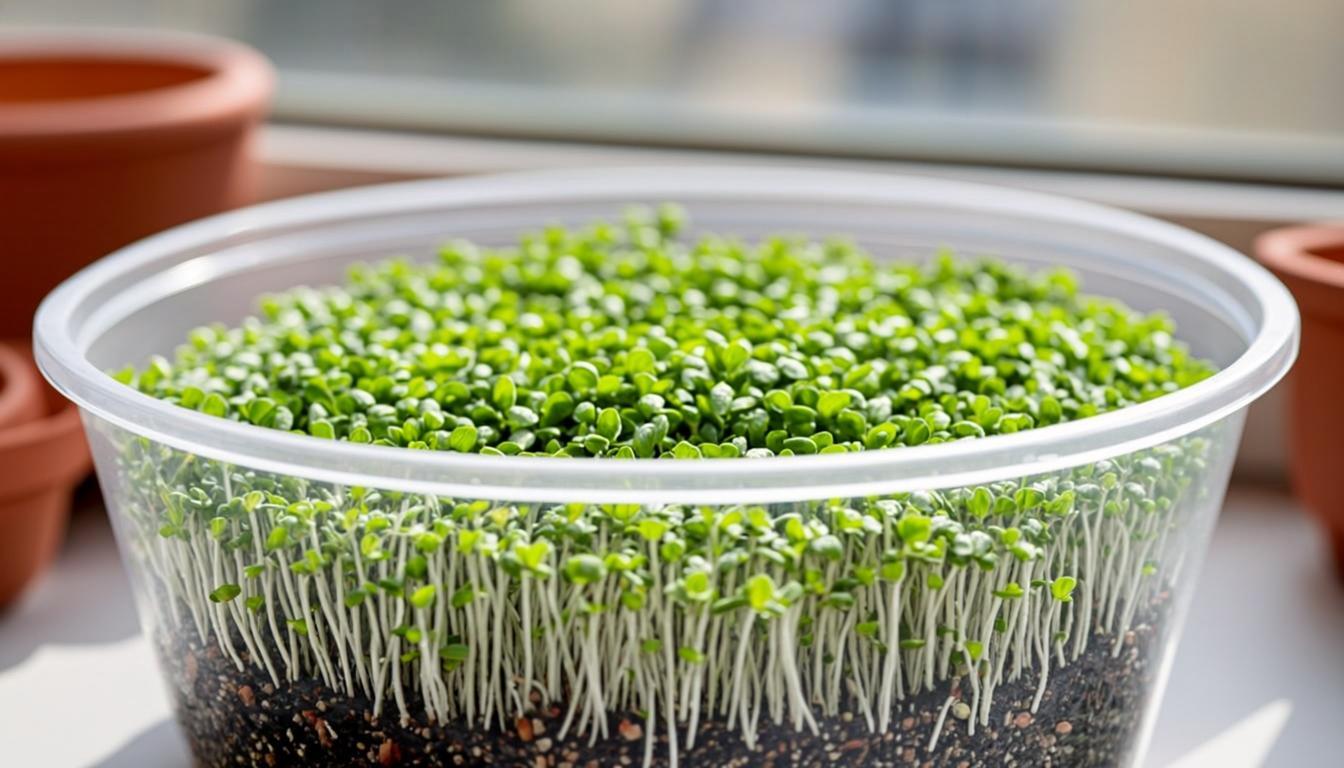
Why test germination?
Germination percentage is printed on every standard seed label, but storage conditions afterwards (humidity and temperature) matter. A simple home test gives you a real number for “this seed, in your conditions” before the main planting — helping you fine-tune sowing density and buy replacement seed in time if quality has dropped.
What you need
- 50 seeds from the lot (sampled randomly from different parts of the package);
- Two sheets of paper towel or filter paper;
- A lidded transparent container or freezer bag;
- A water spray and 20–25°C.
Method
Moisten the paper (not soaking; drain excess water). Space the seeds evenly on the paper, close the lid to keep humidity, and keep the container in a warm, dark place. Open daily to refresh the air and keep the paper moist. Vegetable seeds usually germinate within 3–10 days.
Counting & interpretation
Count a seed as “germinated” when it has produced a healthy radicle at least as long as the seed’s diameter. At the end of the period, calculate:
Germination % = (germinated seeds ÷ 50) × 100
- 85%+: excellent — plant with confidence;
- 60–85%: acceptable — add a small percentage to sowing density;
- Below 60%: contact your seed supplier/importer.
Final note
This test works for hybrid vegetable seeds (cucumber, tomato, pepper, eggplant, squash, watermelon and melon). For technical advice about your result, contact Aria Zist Bazr advisors.